Questions?
We reply within 24 hours, free of charge.
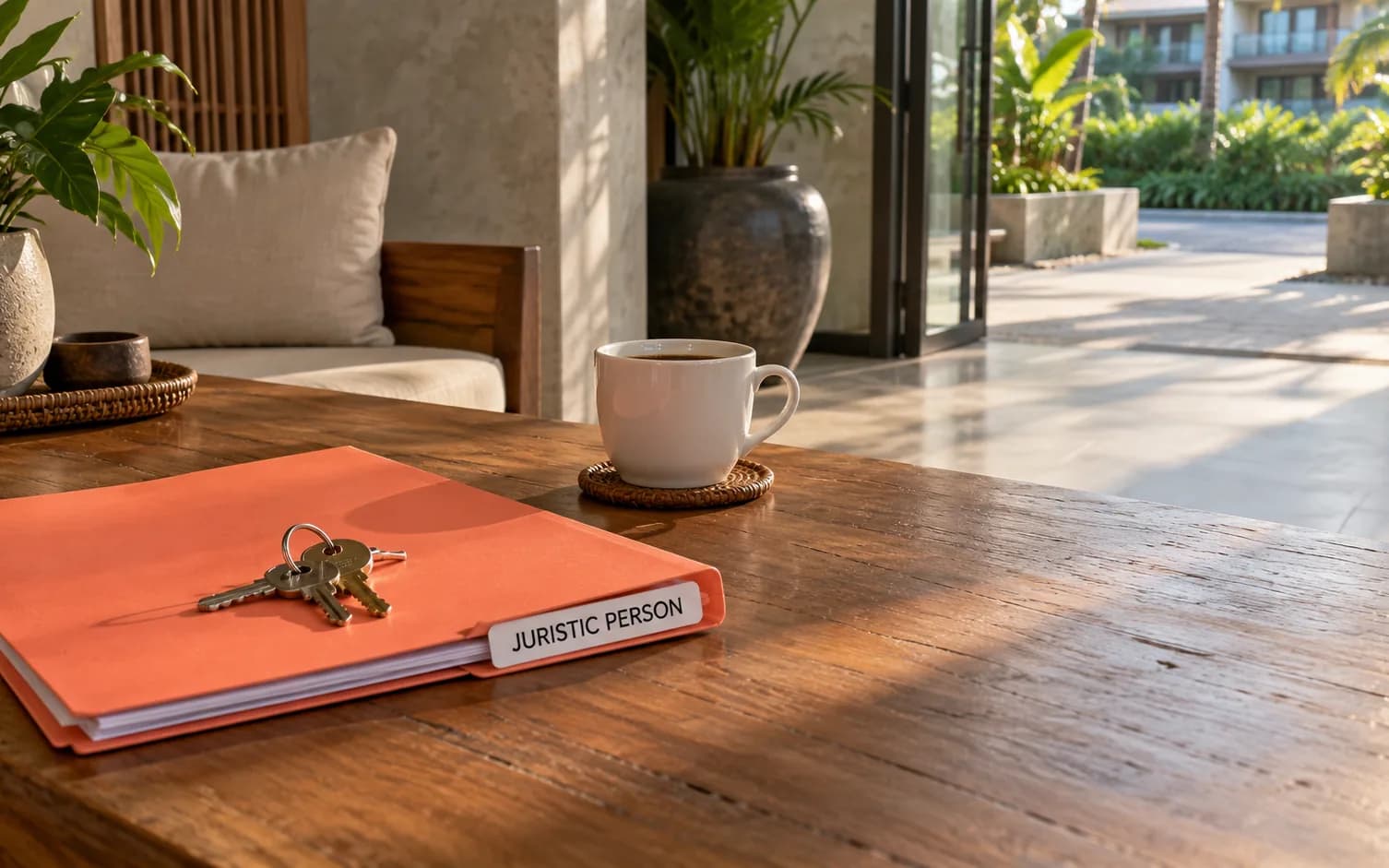
A condominium juristic person (CJP; in Thai, นิติบุคคลอาคารชุด) is the body formed by all the unit owners in a condominium under Thailand's Condominium Act. It manages the common property and collects the common-area fees, and for an ordinary resale it issues the certificate the Land Office needs before registering the transfer (Condominium Act, section 29).
Where the juristic person comes up
- Common-area fees, set and billed by the juristic person.
- The debt-free letter on resale: the Land Office registers a transfer of ownership only against the juristic person's certificate that the seller has no unpaid common fees (Condominium Act, section 29).
- General meetings, where each owner's voting weight follows their registered ownership share in the common property (Condominium Act, section 45).
- Building insurance: in practice the juristic person usually insures the building and common areas and charges the premium as part of the common fees, though the Condominium Act itself sets no such duty.
- Any work affecting the common property or the building's outward appearance, including work inside your own unit, needs a resolution of the general meeting (Condominium Act, section 48).
Juristic person, manager and management company
The condominium juristic person is a registered legal entity that manages the common property. Owners participate in its governance through the general meeting. Day-to-day running of the building falls to a manager, whom owners appoint and can remove with at least a quarter of all votes. Under section 35 of the Condominium Act, the manager may be an individual or a legal entity, including a management company. A company appointed as manager has statutory duties; check its appointment documents and service contract for its specific role. A company hired only to assist has only the tasks assigned to it.
For an owner who lives abroad for most of the year, that split matters in practice: the manager and the management office are who you deal with on fees and repairs, while only the general meeting can approve changes to the common property.
What a buyer should check
Before you sign, ask for the debt-free letter, the current fee schedule, the house rules and a note on what the building's insurance covers. A unit owner's own contents and personal liability are usually outside the juristic person's policy. If you are arranging the purchase from abroad by email and video call, these are documents our lawyers can request on your behalf before you ever see the unit in person.
Send us the purchase or reservation agreement and we will review it free of charge within 48 hours, flag anything that could cost you later, and confirm who pays the seller's arrears under the contract. For the purchase itself, see our guide on buying a condo in Phuket. A full pre-purchase checklist is in the condo buyer's checklist, and transfer taxes and fees are covered in condo purchase taxes and fees in Thailand.
Phuket areas
The same laws apply across the island, but each area has its own particulars: what kind of property usually sells there, which documents prove rights to the land and what deserves a closer look before you buy.

Kata
In sea-view condominiums the 49% foreign quota usually runs out quickly, so we check it before you reserve a unit.

Patong
People buy condos here to rent out and open businesses that need licences.

Kamala
There are many branded residences here, homes sold under a hotel brand, and the management agreement needs careful reading before you buy.
Old Town
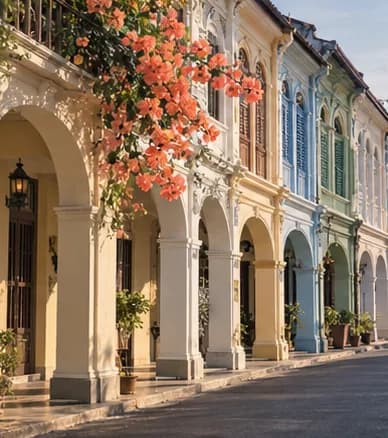
Many historic shophouses, buildings with a shop on the ground floor, are protected and can only be restored under special rules.