Questions?
We reply within 24 hours, free of charge.
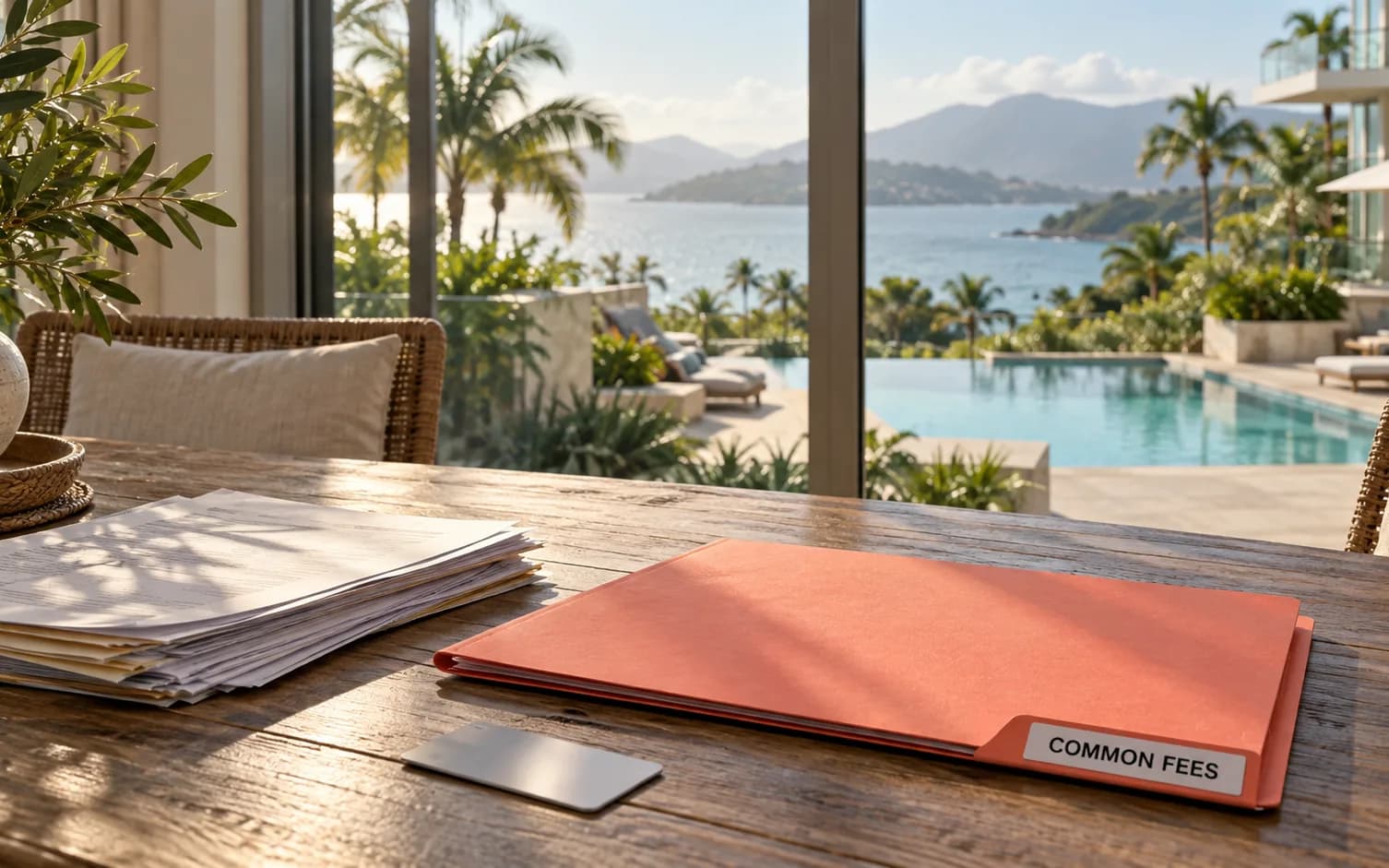
The CAM fee (Common Area Maintenance fee, in Thai ค่าส่วนกลาง) is a condo owner's regular charge for the upkeep of a Thai condominium's shared areas: security, cleaning, lifts, the pool and other common services. In practice, the general meeting of owners approves the common-expense budget. Costs of maintaining the common property itself are split by each owner's registered share in it; costs of shared services and equipment follow the condominium's own rules, which take into account the benefit to each unit (Condominium Act, s. 18). In practice, the fee is usually quoted per square metre of the unit, and owners pay it monthly or once a year, depending on the building's rules.
If you already own property in the UK or the US, the idea will feel familiar: a service charge or a homeowners' association (HOA) fee also funds the upkeep of shared areas. A Thai condominium works on the same principle through its juristic person and general meeting, but it answers to Thailand's own Condominium Act, not to UK or US rules — so ask the juristic person how its process works rather than assume it matches what you know from home.
Where the CAM fee comes up
You will meet the term in a few places. Buyers of new units commonly pay one or more years of common fees in advance at transfer; check how this is written into the sale and purchase contract. We cover the other charges in a purchase quote in our guide to taxes and fees when buying a condo in Thailand. Once you own the unit, the juristic person bills the CAM fee on its own schedule; ask it directly about the billing cycle and the due date.
CAM fee vs sinking fund
The CAM fee pays for day-to-day upkeep: security wages, cleaning, electricity in common areas. A sinking fund is a separate payment into a reserve for major repairs, usually collected once, often at the first purchase. The two are not the same charge. Check the sale contract and the condominium's bylaws for the sinking-fund amount and payment terms, and ask whether any refund is available on resale.
What to check: arrears, increases, accounts
Before buying a resale unit, our lawyers ask the juristic person for a certificate showing the seller owes nothing on the CAM fee: under section 29 of the Condominium Act, that certificate is needed to register the transfer. Unpaid fees can sometimes rank ahead of a mortgage lender's claim, but this point is not fully settled — check it with a lawyer before you commit. For any fee increase, ask for the relevant general-meeting resolution and check it against the condominium's bylaws and approved budget. We also recommend reading a few years of meeting minutes to see how often and by how much it has gone up, and asking the juristic person for its latest accounts. For the rest of a buyer's checks, see our condo buyer's checklist for Phuket.
Send us the purchase or reservation contract and within 48 hours we will flag how it records the common-area fees and who pays them before handover, free of charge. If you are still choosing a unit, see how buying a condo in Phuket with legal support works.
Phuket areas
The same laws apply across the island, but each area has its own particulars: what kind of property usually sells there, which documents prove rights to the land and what deserves a closer look before you buy.

Kata
In sea-view condominiums the 49% foreign quota usually runs out quickly, so we check it before you reserve a unit.

Patong
People buy condos here to rent out and open businesses that need licences.

Kamala
There are many branded residences here, homes sold under a hotel brand, and the management agreement needs careful reading before you buy.
Old Town
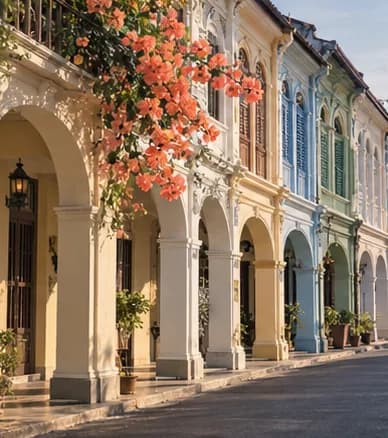
Many historic shophouses, buildings with a shop on the ground floor, are protected and can only be restored under special rules.